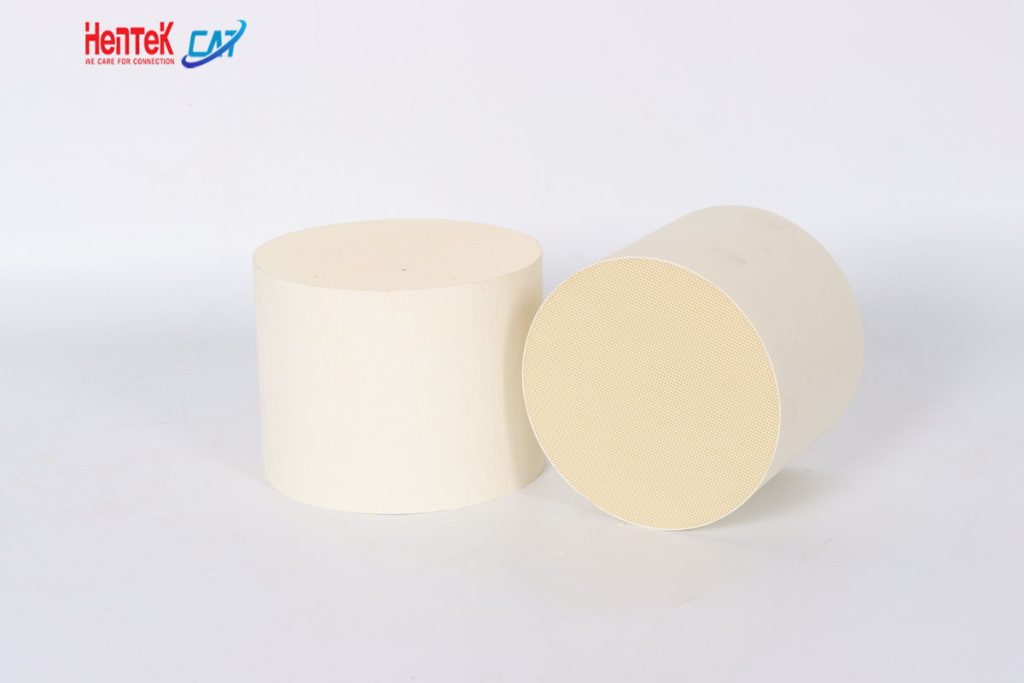
|

HENTEK CAT Catalyst & Catalytic Converter Solutions

Power Meets Compliance: Exhaust Treatment for Gasoline Vehicles

Advanced Three-Way Catalyst technology designed to meet the demands of modern gasoline engines—from passenger cars to heavy-duty trucks

The Solution: The Three-Way Catalyst System

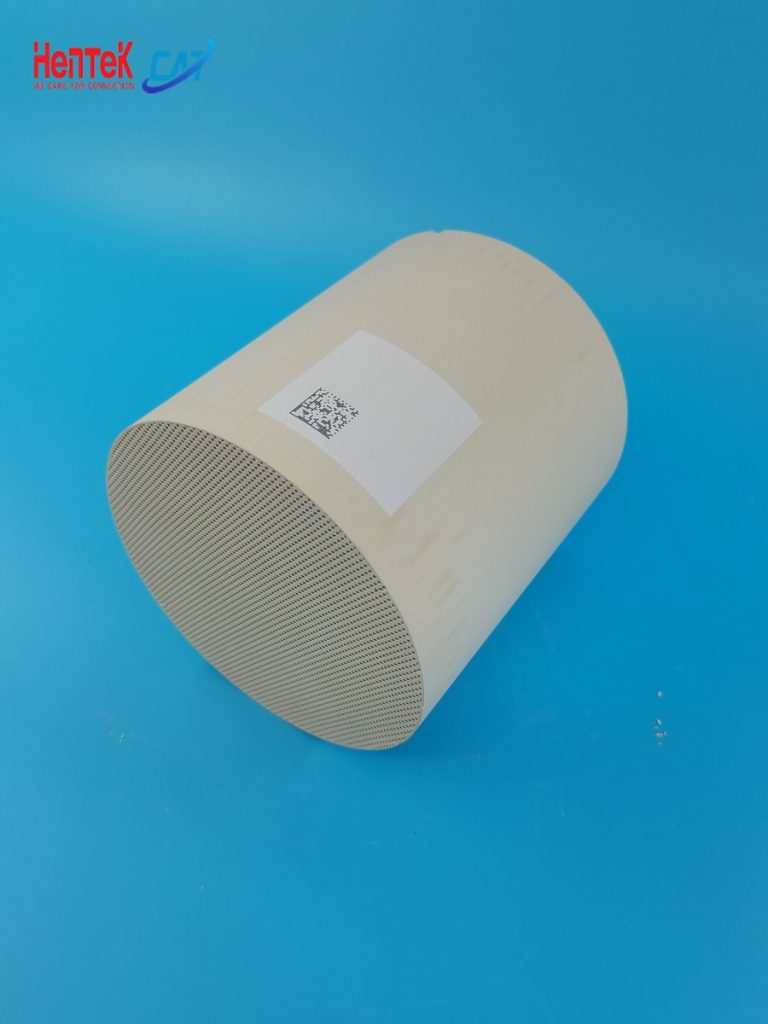
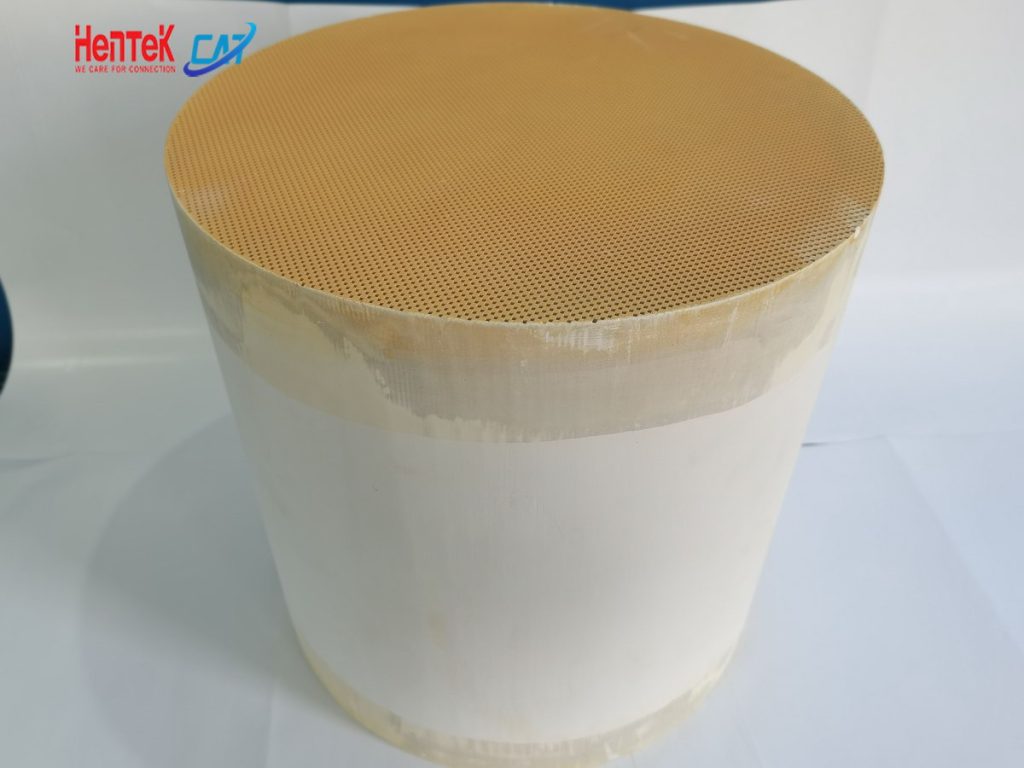
At the heart of every compliant gasoline vehicle lies the Three-Way Catalyst (TWC) . Unlike diesel systems that require complex urea injection (SCR), the gasoline aftertreatment system relies on the chemical efficiency of the TWC to perform three critical tasks simultaneously:

  1. Oxidize Carbon Monoxide (CO) into harmless CO₂.

  2. Oxidize Unburnt Hydrocarbons (HC) into water vapor.

  3. Reduce Nitrogen Oxides (NOx) back into nitrogen.

Our TWC solutions are engineered to integrate seamlessly into the vehicle’s exhaust line, working in harmony with Oxygen Sensors and the Engine Control Unit (ECU) to maintain the perfect air-fuel ratio for maximum conversion.

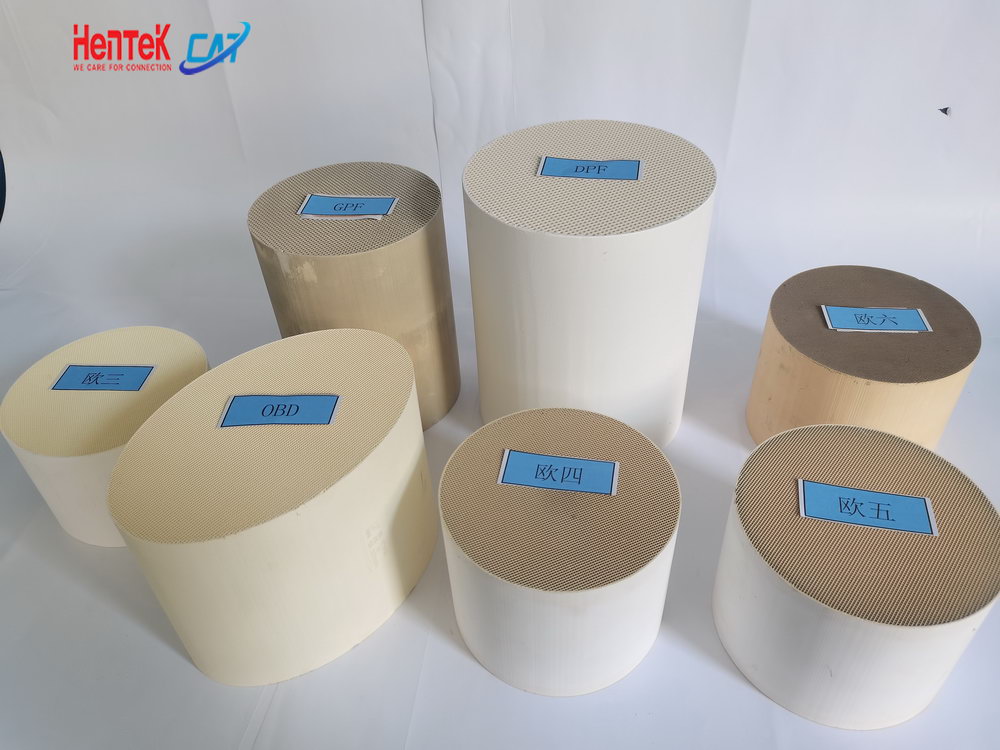
Applications Across the Gasoline Market

Our gasoline aftertreatment technologies are deployed across a wide spectrum of vehicle platforms:

Light-Duty Passenger Vehicles

The core market for TWC technology.

  • Application: Sedans, Hatchbacks, SUVs, and CUVs.

  • Requirement: Fast “light-off” time (catalyst must heat up quickly to start working) and compact packaging.

  • Our Solution: High-cell-density substrates with optimized precious metal loading for quick activation and long-life durability.

Gasoline Direct Injection (GDI) Engines

The modern standard.

  • Application: Modern high-efficiency vehicles.

  • Challenge: GDI engines produce cooler exhaust temps and more particulates.

  • Our Solution: Advanced washcoat formulations designed to perform at lower temperatures while integrated with Gasoline Particulate Filters (GPF) for comprehensive protection.

Heavy-Duty Gasoline Engines

Often overlooked, but crucial for commercial fleets.

  • Application: Delivery vans, light commercial trucks, and buses running on gasoline or Compressed Natural Gas (CNG).

  • Requirement: High flow rate and resistance to thermal aging due to prolonged operation.

  • Our Solution: Robust metallic or ceramic substrates with high-temperature stability.

Hybrid Electric Vehicles (HEVs)

The growing market.

  • Application: Vehicles that switch between electric motor and gasoline engine.

  • Challenge: The engine turns on and off frequently, causing the catalyst to cool down, leading to “cold start” emissions spikes.

  • Our Solution: Advanced “cold-start” catalysts or electrically heated catalyst components integrated with the TWC to ensure emissions are controlled the moment the engine fires up.

Aftermarket & Replacement

Service and repair.

  • Application: Replacing failed or clogged original equipment converters.

  • Requirement: Exact fit and compliance with local emissions laws.

  • Our Solution: Direct-fit OEM-quality converters and universal catalysts for the automotive repair industry.

Integrated Systems: TWC + GPF

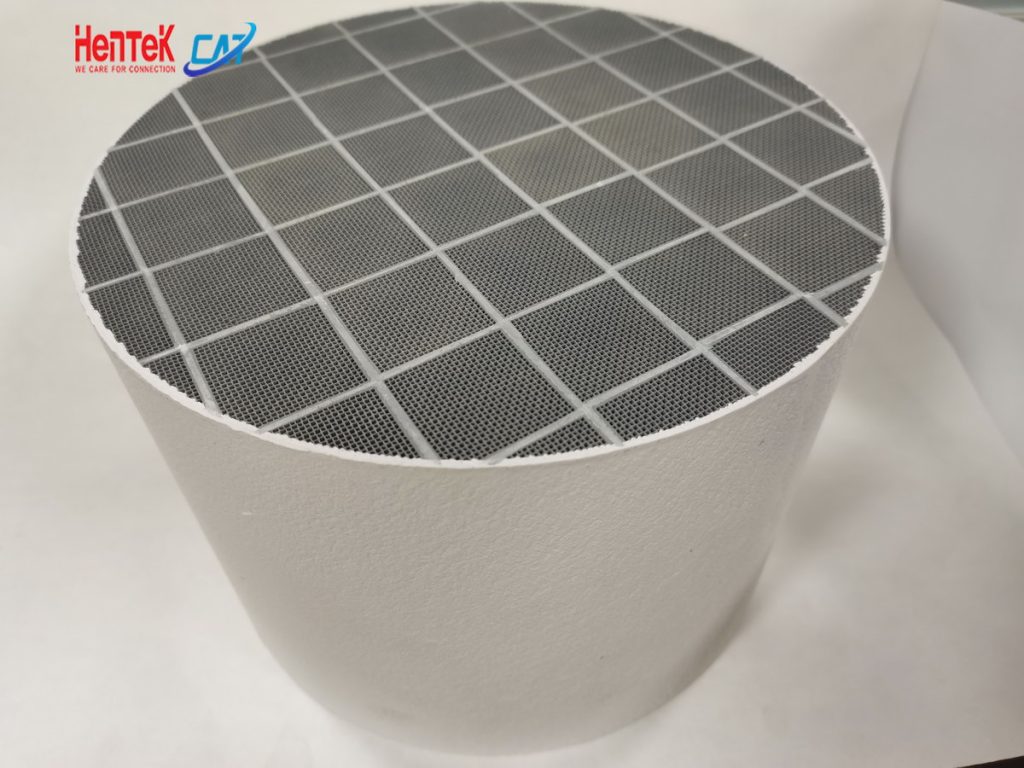
For the strictest regulations, a stand-alone TWC may not be enough. We offer integrated aftertreatment systems that pair our Three-Way Catalyst with a Gasoline Particulate Filter (GPF) .

  • The TWC handles the chemical conversion (CO, HC, NOx).

  • The GPF physically traps and burns off soot particles (PM) produced by GDI engines.

This combination ensures your vehicle is protected against both gaseous and solid pollutants.

Why Choose Our Gasoline Aftertreatment Solutions?

  • OEM Integration Expertise: We work with your engineering team to design a system that fits your specific exhaust architecture and back-pressure requirements.

  • PGM Optimization: We utilize the latest in Platinum, Palladium, and Rhodium layering technology to reduce cost while maintaining high conversion efficiency.

  • Durability Testing: Our catalysts are subjected to engine bench aging and vehicle road tests to ensure they last the life of the vehicle.

  • Global Compliance: Whether you need certification for Europe, North America, or Asia, our formulations are designed to meet specific regional standards.