|

HENTEK CAT Catalyst & Catalytic Converter Solutions

The Science of Clean Air: Three-Way Catalysts

Converting harmful emissions into harmless gases. The gold standard for gasoline emission control

What is a Three-Way Catalyst?

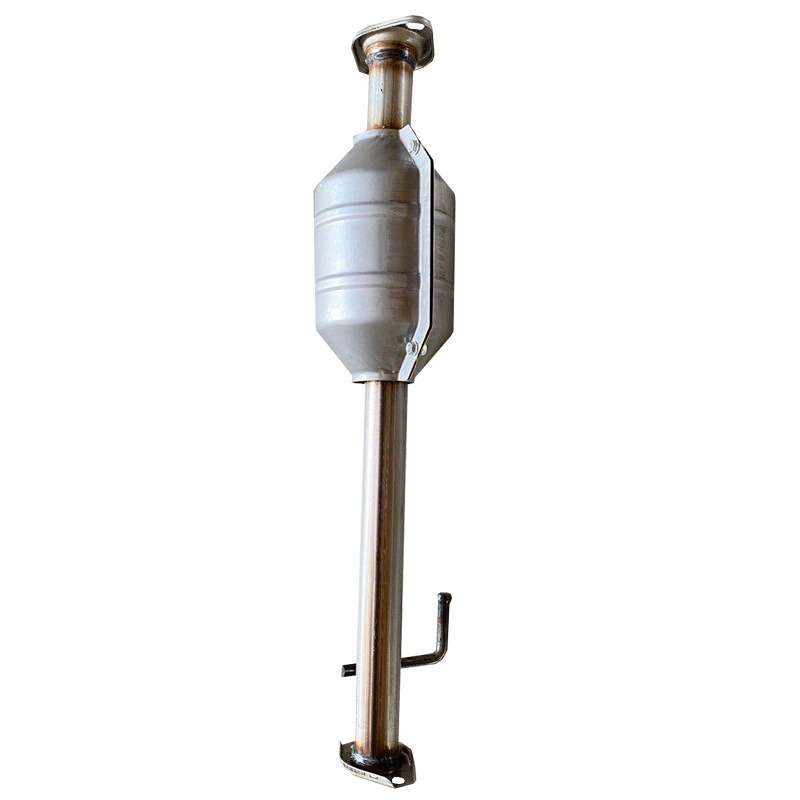
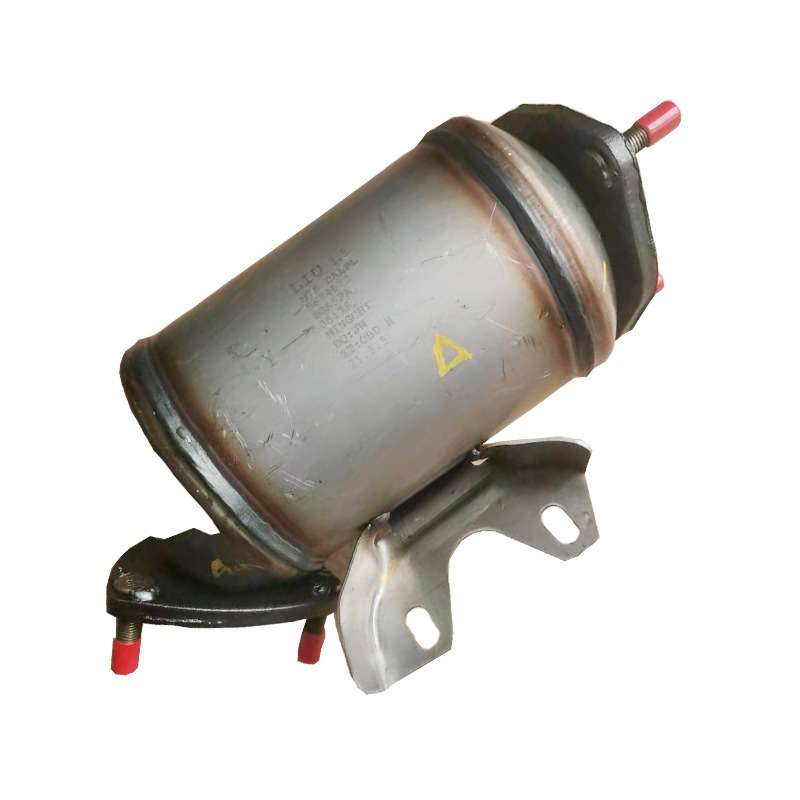
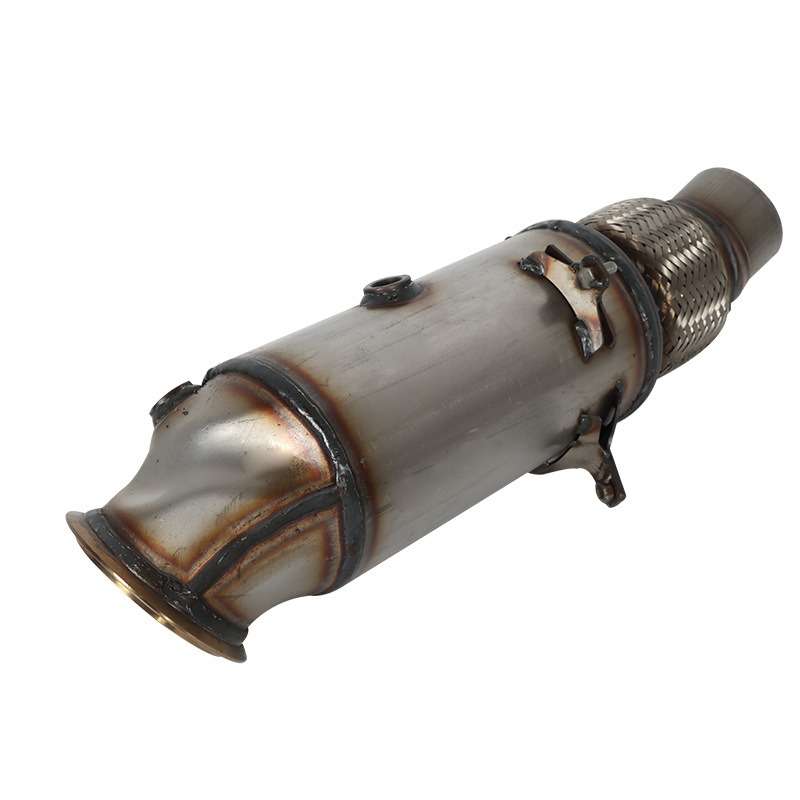
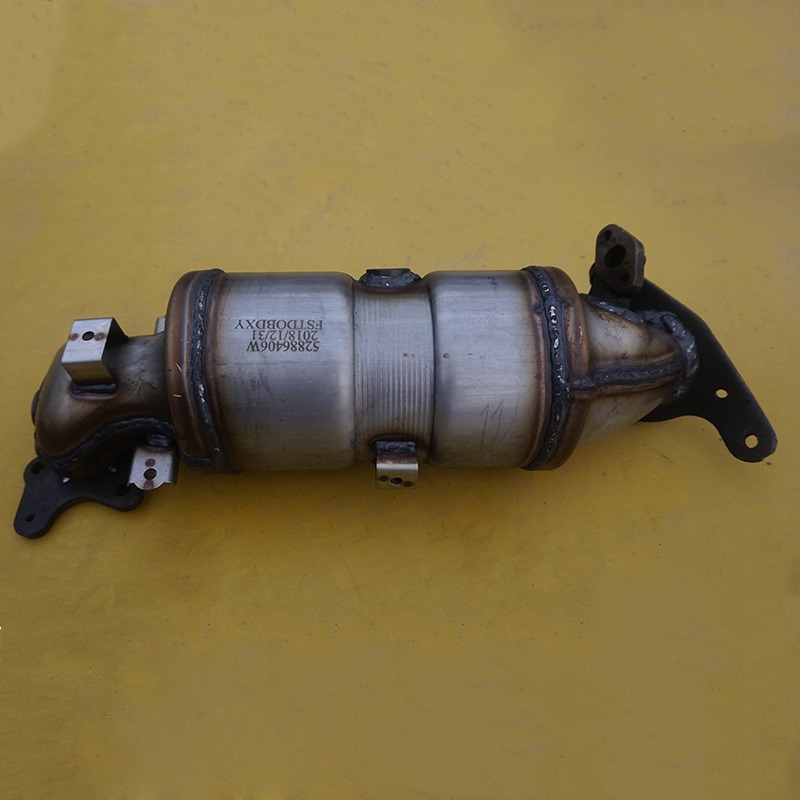
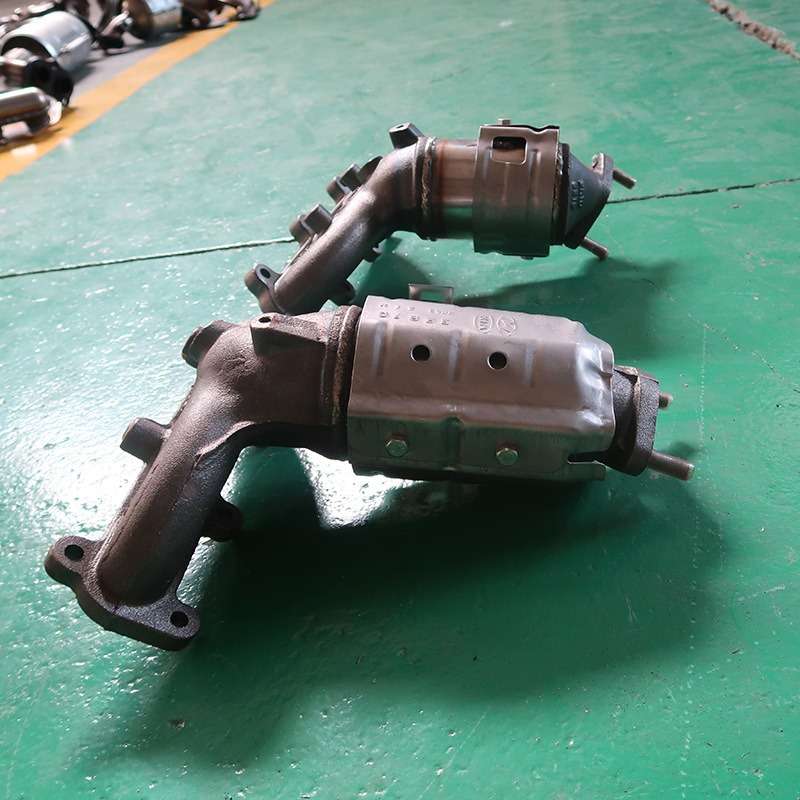
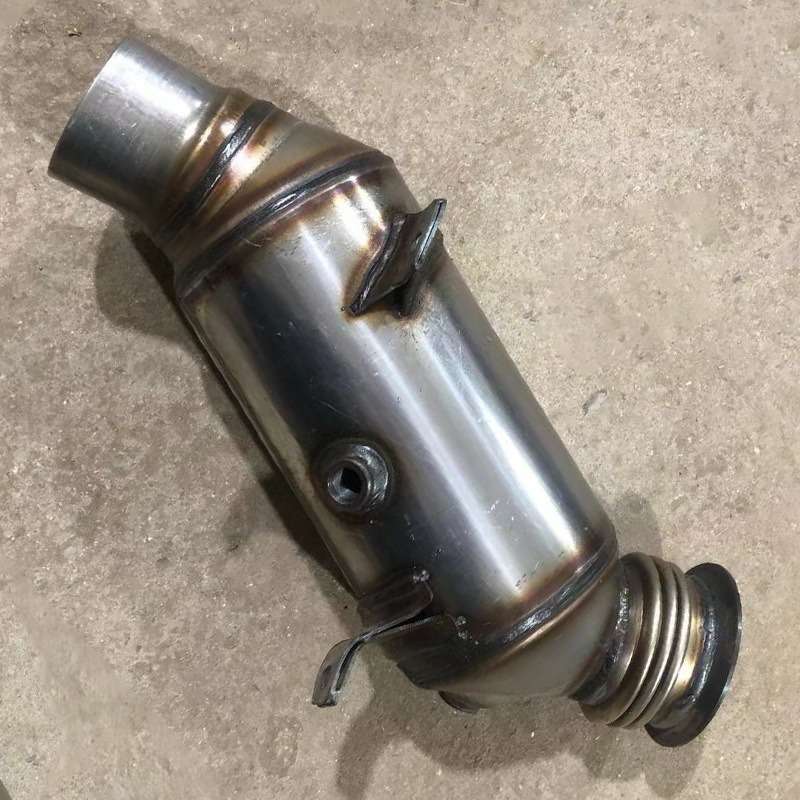
In the world of automotive engineering, the Three-Way Catalyst (TWC) stands as a critical innovation in the fight against air pollution. Installed in the exhaust systems of gasoline-powered vehicles, this device is responsible for transforming toxic pollutants into environmentally safe gases before they leave the tailpipe.

Named for its ability to treat three main pollutants simultaneously, the TWC is a cornerstone of modern emission control systems, ensuring compliance with global environmental standards like Euro 6 and EPA regulations.

How It Works: The Three Pollutants

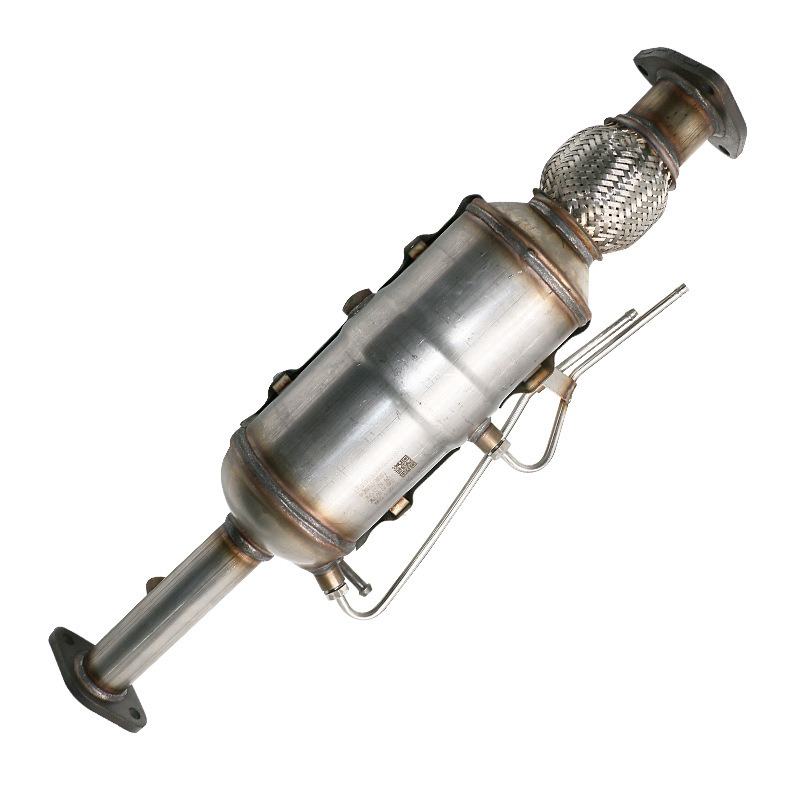
Unlike other catalytic converters that might focus on one or two elements, the TWC tackles the “Big Three” exhaust pollutants in a single unit:

Oxidation of Carbon Monoxide (CO)

Toxic Poison → Harmless Gas
Carbon Monoxide, a odorless and deadly gas, is oxidized. Oxygen atoms strip the carbon of its extra oxygen, forming Carbon Dioxide (CO₂) .

Oxidation of Hydrocarbons (HC)

Unburnt Fuel → Water
Hydrocarbons (unburned gasoline) are broken apart. The hydrogen and carbon atoms react with oxygen to form Water (H₂O) and Carbon Dioxide (CO₂).

Reduction of Nitrogen Oxides (NOx)

Smog Creators → Nitrogen
Nitrogen Oxides, responsible for smog and acid rain, are reduced. The catalyst strips away the oxygen atoms, converting them back into harmless Nitrogen (N₂) and Oxygen (O₂) .

The Core Components: What’s Inside

The magic of the TWC lies not in moving parts, but in chemistry and material science.

  • The Substrate (The Structure): Usually a ceramic honeycomb or a metallic foil. This design maximizes the surface area for reactions while allowing exhaust to flow through freely.

  • The Washcoat: A porous layer of materials (like aluminum oxide) applied to the substrate. This rough surface holds the active ingredients and increases the surface area to the size of several football fields.

  • The Precious Metals (PGM): The “active ingredients.”

    • Platinum (Pt): Initiates the oxidation of CO and HC.

    • Palladium (Pd): Also assists in oxidation; often used as a substitute for Platinum.

    • Rhodium (Rh): The secret weapon. Rhodium is essential for the reduction of NOx back into Nitrogen.

The Stoichiometric Sweet Spot

  • For a Three-Way Catalyst to work at peak efficiency (often exceeding 98% conversion), the engine must run at a precise air-to-fuel ratio known as the Stoichiometric Point (14.7:1 for gasoline).

    This is why TWC systems are always paired with Oxygen Sensors (Lambda Sensors) . These sensors monitor the exhaust gas composition before and after the converter, sending real-time data to the engine control unit (ECU) to adjust the fuel mixture instantly.

Why Choose Our TWC Solutions

  • High Cell Density: Our substrates offer optimized geometries for maximum gas-to-catalyst contact without sacrificing engine performance.

  • Superior Washcoat Technology: Proprietary coating ensures the even distribution of PGMs for long-lasting durability.

  • Precision Formulation: Tailored PGM ratios (Platinum, Palladium, Rhodium) to match your specific engine requirements and budget.

  • Durability: Engineered to withstand thermal aging and chemical poisoning, ensuring compliance for the life of the vehicle.

Applications

  • Light-Duty Vehicles: Passenger cars and SUVs.

  • Heavy-Duty Engines: Gasoline-powered trucks and buses.

  • Aftermarket & Replacement: Direct-fit and universal converters for vehicle repair.

  • Industrial: Small engines and power generation units.